

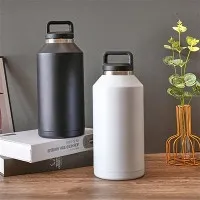
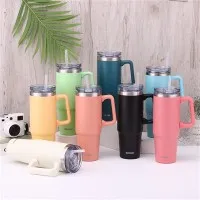

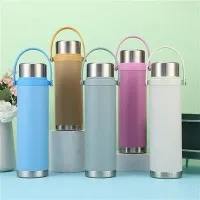
When it comes to storing liquids like hot and cold water or beverages, stainless steel thermos cups are a popular choice. These cups are designed as vacuum containers with the ability to retain heat. To ensure a safe purchase and usage of stainless steel thermos cups, consumers should familiarize themselves with the "four steps" and "five attentions" guidelines. By following these recommendations, one can select safe products and establish a regulated approach to using them securely.
Four steps Choose a safe product
When it comes to purchasing stainless steel thermos cups, it's important to look beyond just the typical performance indicators like the material of the inner tank, thermal insulation performance, and impact resistance. In fact, you can take things a step further and scientifically select high-quality cups by following four simple steps: smelling, seeing, touching, and testing. By following these steps, you can ensure that you're selecting the best possible thermos cup to meet your needs. Don't overlook the importance of this selection process, as investing in a high-quality thermos cup can make all the difference in keeping your drinks at the perfect temperature for as long as possible.
When looking for a top-notch stainless steel thermos, it's essential to pay attention to the smell. Ideally, the thermos should have no odd odors whatsoever, or, if there is a slight scent, it should be easy to dissipate. However, suppose you notice a strong smell when you open the lid, and it persists for a prolonged period. In that case, it's best to avoid using the product as it could be dangerous and should be returned promptly.
Take a closer look at the label to make sure it provides essential information such as the product name, specification, energy efficiency for heat preservation, and the name of the manufacturer and distributor. Confirm that the material and composition of the stainless steel cup body are clearly marked in compliance with the "National Food Safety Standard for food contact products." Ensure that the material is expressed by our country's standard grades or unified digital codes, rather than vague terms like "high-quality stainless steel" or "high-grade stainless steel." In addition, check for any indication of plastic parts as the cover should ideally be made of heat-resistant and safe polypropylene material. Observe whether the product surface is uniform in color, free from cracks or gaps, and whether the printed or engraved texts and patterns are clear and complete. Finally, check for any missing, exposed, peeled, or rusted electroplated parts.
To ensure the quality of high-grade stainless steel thermos cups, one should check for three key features. Firstly, the surface of both the inner and outer tanks must be polished evenly, without any marks, cuts, or roughness. Secondly, the cup's rim and weld should be smooth and free from any rough edges or burrs. Finally, the entire cup should be free from scratches or dents, ensuring a flawless appearance that is both stylish and functional. Only by checking for these three touches can one be assured of a truly high-quality thermos cup that is worth investing in.
To test the thermal insulation performance of the stainless steel thermos cup, you can conduct the following experiments. First, inject boiling water into the cup and securely fasten the lid. After waiting for 2-3 minutes, hold the cup in your hand and assess whether there is a noticeable temperature increase. This will give you an indication of the cup's ability to retain heat.
To test the sealing performance of the cup, pour boiling water into it, tighten the lid, and then turn it upside down for 4-5 minutes. Check for any signs of leakage to determine if the cup is effectively sealed.
Furthermore, you can evaluate the cup's spin performance and the convenience of disassembly, washing, and reinstallation by repetitively opening and closing the lid and disassembling its various parts. This will help assess the overall quality and user-friendliness of the cup.
By conducting these tests, you can gather important information about the stainless steel thermos cup's thermal insulation, sealing, and overall functionality.
Five Attention Standardized safe use
Before using a stainless steel thermos cup, it is important to clean and disinfect it properly to ensure that it is safe for use. The best way to do this is by using either boiling water or a neutral detergent to scald and disinfect the cup thoroughly. Taking these necessary precautions will help to ensure that your beverage stays fresh and safe to consume throughout the day.
Additionally, it's crucial to understand that stainless steel thermos cups have their limitations when it comes to what they can hold. Acidic or alkaline liquids pose a risk of harming the inner tank and sealing cover, causing permanent damage. Carbonated drinks or dry ice should also be avoided as it may create excessive carbon dioxide build-up inside the cup, leading to increased pressure and potentially hazardous circumstances. High-protein foods like soy milk should not be kept in the cup for an extended period as these foods are highly susceptible to bacterial growth and nutrient loss. Long-term storage of acidic substances such as fruit juice should be avoided as it can generate electrochemical reactions and have hazardous health implications. Therefore, it is crucial to adhere to these guidelines to ensure the longest lifespan and safest use of a stainless steel thermos cup.